



Living in Shadows: The Hidden Lives of LGBTQ+ Namibians
Living in Shadows: The Hidden Lives of LGBTQ+ Namibians
In Namibia, where love is often shaped by tradition and conservative legislation, many LGBTQ+ individuals are forced into lives of secrecy. Being gay in Namibia isn’t just about personal identity—it’s a balancing act between self-expression and survival, often at the cost of emotional health, intimacy, and authenticity.
The Weight of Secrecy
What does it mean to love when society punishes you for it? For countless Namibians, the answer lies in secrecy. Young gay men and lesbian women often face pressure from families to marry heterosexually, conform to gender expectations, and suppress their true desires. These “double lives” are real—emotional limbo zones where people marry to survive, not to thrive.
It’s common for some to enter arranged marriages, keep separate mobile phones for queer communications, or hide relationships even from best friends. There’s deep emotional taxation in living a lie just to remain “acceptable.”
Finding Safe Spaces Online

With very few public LGBTQ+ spaces in Namibia, many turn to anonymous platforms l and private chat groups. Interestingly, even within services like escorts Namibia, some queer individuals discreetly seek connection, validation, and intimacy that’s otherwise inaccessible offline. The rise of telegram porn groups has provided more than just adult content—it has fostered virtual support circles where individuals can share experiences, exchange advice, and feel a rare sense of belonging.
Others use discreet services like an erotic massage to explore intimacy on their own terms. Meanwhile, dating apps in Namibia and local hookup platforms give LGBTQ+ Namibians the chance to find romantic and sexual partners without exposing themselves to public scrutiny.
Shifting Legal Terrain
While much of the community still lives in fear, there have been small victories. In a historic 2024 decision, Namibia’s High Court struck down colonial-era laws criminalizing consensual same-sex acts, a move celebrated as a step toward inclusion. Yet, the optimism was short-lived. Months later, Parliament passed legislation banning same-sex marriages—a bittersweet contradiction that showcases just how polarized public opinion remains. This Guardian article highlights the complexity of these legal shifts, echoing the broader tensions between progressive ideals and deep-rooted conservatism.
Offline Risks & Emotional Isolation
Offline, the stakes are high. Coming out can mean losing your job, being disowned by family, or even facing violence. Many who identify as queer in Windhoek or Walvis Bay must mask their identities, knowing the consequences are often irreversible.
For some, navigating love means scheduling clandestine hotel meetings with an escort in Windhoek, where they can explore without fear. Others cautiously browse nudes, seeking a blend of seduction and personal validation.
Even in more liberal towns like Swakopmund, a Swakopmund escort might be more understanding of identity nuances than traditional circles. It’s this contrast—public silence vs private acceptance—that defines much of queer life here.
Toward a Future of Freedom
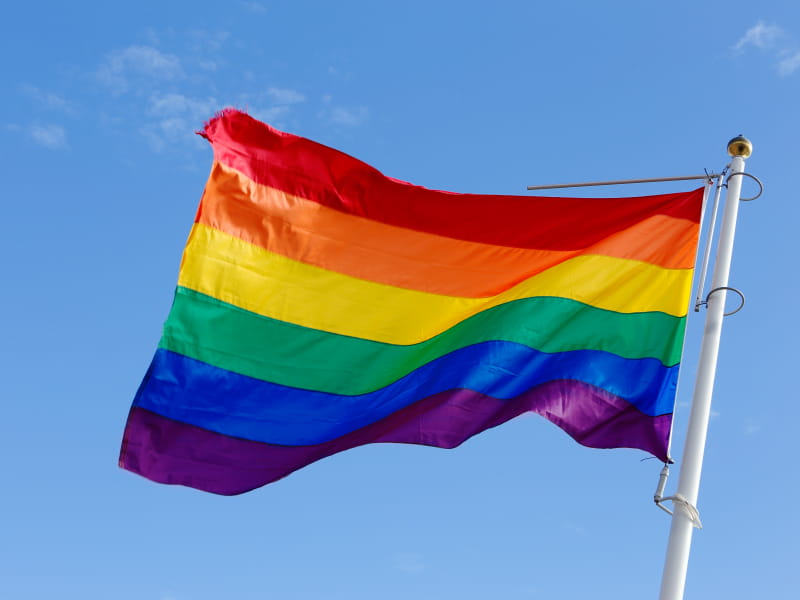
Yet, amid all the challenges, there’s resilience. LGBTQ+ Namibians are telling their stories through short films, blog forums, and safe meetups. While society might still not be ready for rainbow parades, silent progress is being made.
And with digital spaces growing—be it a Namibian dating site or even browsing porn Namibia—the community is finding ways to thrive. This shift isn’t just sexual; it’s spiritual. It’s about reclaiming identity without shame.
For more insights and stories on LGBTQ+ experiences, visit Naughty Kenya.