








What You Need to Know about Endometriosis
If Your Period Has You Seeing God, It Might Be Time to Talk Endometriosis
Could it be endometriosis?
There is period pain, and then there is “I have cancelled everything, wrapped myself in three blankets and I’m reconsidering every decision I’ve ever made” period pain.
Most women have experienced uncomfortable periods. Cramps, fatigue, mood changes and that general feeling of wanting everyone to leave you alone are hardly unusual.
But when the pain is so severe that it interferes with your everyday life, keeps you away from work or school, ruins your plans or has you regularly reaching for painkillers just to function, it may be more than a “bad period.”
It could be endometriosis.
And no, you’re not necessarily being dramatic.
So, What Exactly Is Endometriosis?
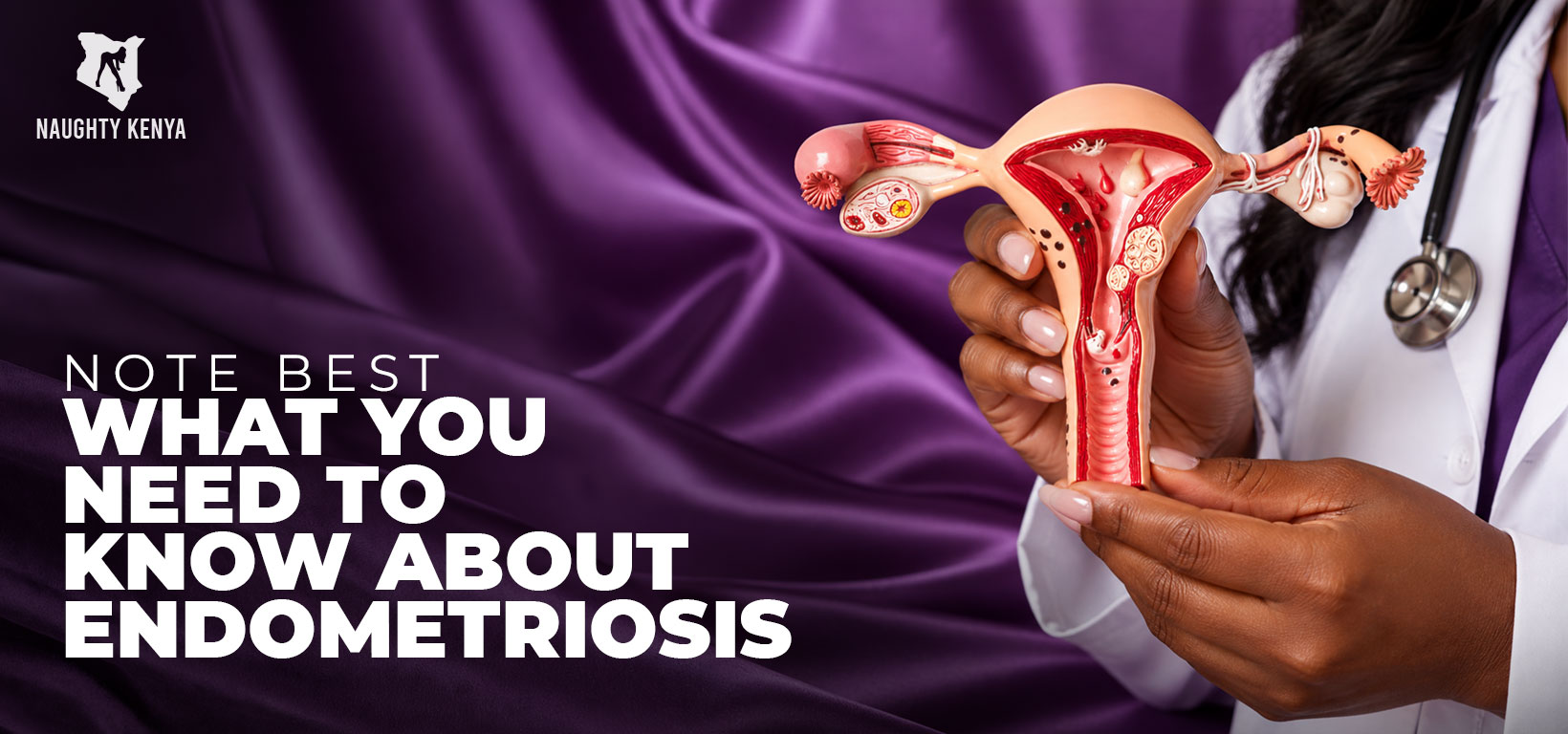
Endometriosis is a chronic condition where tissue similar to the lining of the uterus grows outside the uterus.
This tissue can occur around organs in the pelvis and can cause inflammation, scarring and pain.
And because the condition is linked to the menstrual cycle, symptoms can become particularly troublesome around periods.
Basically, your body decides to create a problem where there wasn’t supposed to be one—and then sends you the bill every month.
When Period Pain Stops Being “Normal”
One of the biggest problems with endometriosis is that severe period pain can be normalised.
You hear things like:
“That’s just how your periods are.”
“Every woman experiences pain.”
“Have you tried taking a painkiller?”
“Maybe you’re just not good with pain.”
Meanwhile, you’re lying in bed wondering whether your uterus has personally declared war on you.
Some symptoms associated with endometriosis include:
- Severe menstrual cramps
- Pelvic pain
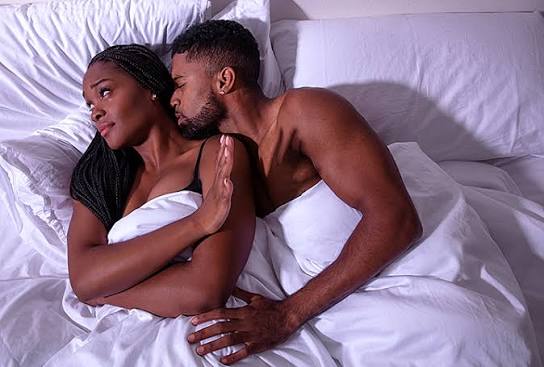
- Pain during or after sex
- Pain when passing stool or urinating, particularly during periods
- Heavy or prolonged periods
- Lower back or abdominal pain
- Bloating and digestive problems
- Fatigue
- Difficulty getting pregnant
- Not everyone experiences the same symptoms, and the severity of pain does not always correspond to how extensive the condition is.
The Diagnosis Can Be a Whole Journey
Here’s where things get frustrating.
A woman can spend years experiencing debilitating pain before getting a diagnosis.
Why?
Because symptoms can overlap with other conditions, and severe period pain has historically been dismissed as something women simply have to tolerate.
Some women see multiple healthcare providers before finally getting an explanation for what has been happening to their bodies.
That delay can affect more than someone’s calendar.
It can affect their work, relationships, mental wellbeing, finances and, for some women, fertility.
And Then There Is Fertility
Endometriosis can be associated with difficulty getting pregnant.
That doesn’t mean everyone with endometriosis will experience infertility. Many women with the condition do become pregnant.
But for some, endometriosis can affect fertility through inflammation, scar tissue and changes around the reproductive organs.
Which is why persistent symptoms shouldn’t simply be ignored until someone starts trying to conceive.
Your reproductive health deserves attention before you’re desperately trying to understand why something isn’t working.
Treatment Isn’t One-Size-Fits-All
There isn’t one universal treatment that works for every woman with endometriosis.
Depending on the individual situation, treatment may involve pain management, hormonal treatment, surgery or a combination of approaches.
Doctors may also recommend treatment based on factors such as symptoms, severity, age, fertility plans and other health considerations.
And this is where access becomes important.
Knowing you might have endometriosis is one thing.
Finding a healthcare professional who can properly assess you and accessing appropriate treatment is another.
Why Kenya Needs to Take Endometriosis Seriously
Endometriosis isn’t simply a “women’s period problem.”
It can affect someone’s ability to work, study, maintain relationships and live normally.
That is why the growing conversation around endometriosis in Kenya matters.
Senator Karen Nyamu has recently pushed for improved endometriosis care, including better specialist training, treatment access, national data and healthcare financing.
The renewed attention has also followed media personality Natalie Githinji speaking publicly about her Stage 4 endometriosis diagnosis.
But the conversation shouldn’t depend on a celebrity becoming sick before ordinary women are heard.
The woman quietly missing work every month matters too.
The university student collapsing in pain matters.
The woman spending money on repeated consultations without answers matters.
The woman being told she’s simply “overreacting” matters.
So, When Should You Get Checked?
If period pain consistently interferes with your normal life, it is worth discussing it with a healthcare professional.
Especially if you experience severe or worsening pain, very heavy periods, pain during sex, pain when using the bathroom during your period, persistent pelvic pain or difficulty getting pregnant.
You don’t have to wait until you’re completely incapacitated before asking questions.
And you don’t need to win an Olympic medal in suffering before your pain deserves attention.
Your Period Shouldn’t Be a Monthly Survival Challenge
Women have spent generations being told to simply endure period pain.
Endometriosis is one more reason we need to challenge that mentality.
Pain can be part of menstruation.
Debilitating pain shouldn’t automatically be dismissed as the price of being a woman.
So if every month feels less like a period and more like a hostage situation, maybe it’s time to stop asking, “Why am I so bad at handling periods?”
Start asking:
“Why is this happening to me?”
And then talk to a qualified healthcare professional.
Read About:Endometriosis or Election Season? Karen Nyamu Knows Better