











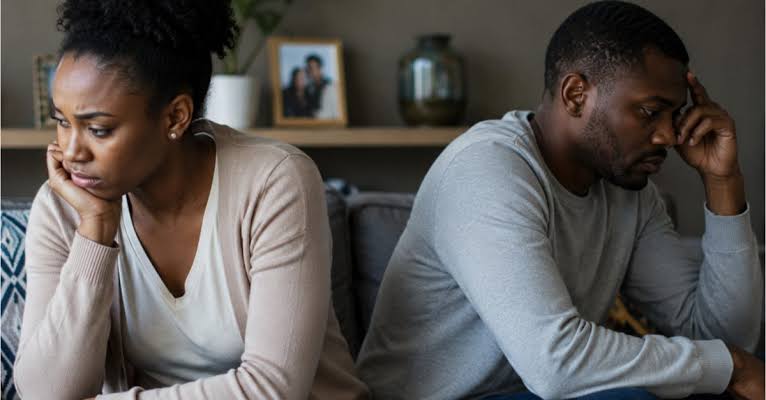
How Stress Affects Sexual Health
When Stress Gets In The Bedroom: Causes, Symptoms, and Ways to Improve Your Sex Life
Stress affects almost every part of your body. Your heart beats faster. Your muscles tighten. Your mind races. Your sex life also changes.
Many people in Kenya deal with financial pressure, traffic, demanding jobs, family responsibilities, and relationship challenges. These daily pressures often reduce sexual desire, affect performance, and create distance between partners. If your sex life has changed without an obvious medical reason, stress could be the missing piece.
Read About:How Morning Sex Can Boost Your Day – Kenyan Style
What Is Stress?
Stress is your body’s response to physical, emotional, or mental pressure. During stressful situations, your body releases hormones such as cortisol and adrenaline. These hormones prepare you to react to danger.
Short periods of stress are normal. Long-term stress keeps these hormones elevated, which affects many body functions, including sexual health.
How Stress Affects Sexual Health
Stress Reduces Your Sex Drive
One of the first signs of chronic stress is a lower interest in sex.
High cortisol levels reduce the hormones linked to sexual desire. Instead of thinking about intimacy, your brain focuses on dealing with stress.
Signs include:
- Less interest in sex.
- Fewer sexual thoughts.
- Reduced excitement before intimacy.
- Less enjoyment during sex.
Many couples assume the relationship is failing when stress is the real problem.
Stress Causes Erectile Problems
Stress is one of the most common psychological causes of erectile dysfunction.
Anxiety makes it harder for the brain, nerves, and blood vessels to work together during arousal. A man might have normal morning erections but struggle during sex because of performance pressure.
This often creates a cycle.
- Stress affects erections.
- Fear of failure grows.
- Anxiety increases before sex.
- Erectile problems continue.
Breaking this cycle starts with managing stress instead of focusing only on sexual performance.
Stress Makes Female Arousal More Difficult
Women experience stress differently, though the effects on sexual health are equally significant.
Stress often leads to:
- Reduced natural lubrication.
- Lower sexual desire.
- Difficulty reaching orgasm.
- Pain during intercourse caused by muscle tension.
- Emotional fatigue also reduces interest in physical intimacy.
Read about:How to Orgasm Every Time You Have Sex or Masturbate for Women
Stress Affects Fertility
Long-term stress influences reproductive hormones in both men and women.
Research suggests chronic stress is associated with:
- Irregular ovulation.
- Lower sperm quality.
- Reduced sexual frequency.
- Lower chances of conception over time.
Stress is rarely the only cause of fertility problems, though it contributes alongside other medical and lifestyle factors.
Stress Weakens Emotional Intimacy
Healthy sex begins with emotional connection.
When people feel overwhelmed, communication often suffers. Partners spend less quality time together and become emotionally distant.
Common signs include:
- Fewer hugs and kisses.
- Less physical affection.
- Frequent arguments.
- Avoiding intimacy.
- Feeling disconnected.
Strong communication often improves emotional and sexual satisfaction.
Poor Sleep Makes Sexual Problems Worse
Stress and poor sleep often happen together.
Lack of sleep reduces energy and affects hormone production. Men produce most testosterone during sleep. Poor sleep lowers testosterone levels, which affects libido and sexual performance.
Poor sleep also increases irritability and reduces emotional closeness between partners.
Stress Encourages Unhealthy Habits
Many people respond to stress with unhealthy coping habits.
These include:
- Drinking too much alcohol.
- Smoking.
- Eating unhealthy food.
- Avoiding exercise.
Each of these habits affects blood flow, hormone balance, energy levels, and confidence, all of which influence sexual health.
Signs Stress Is Affecting Your Sex Life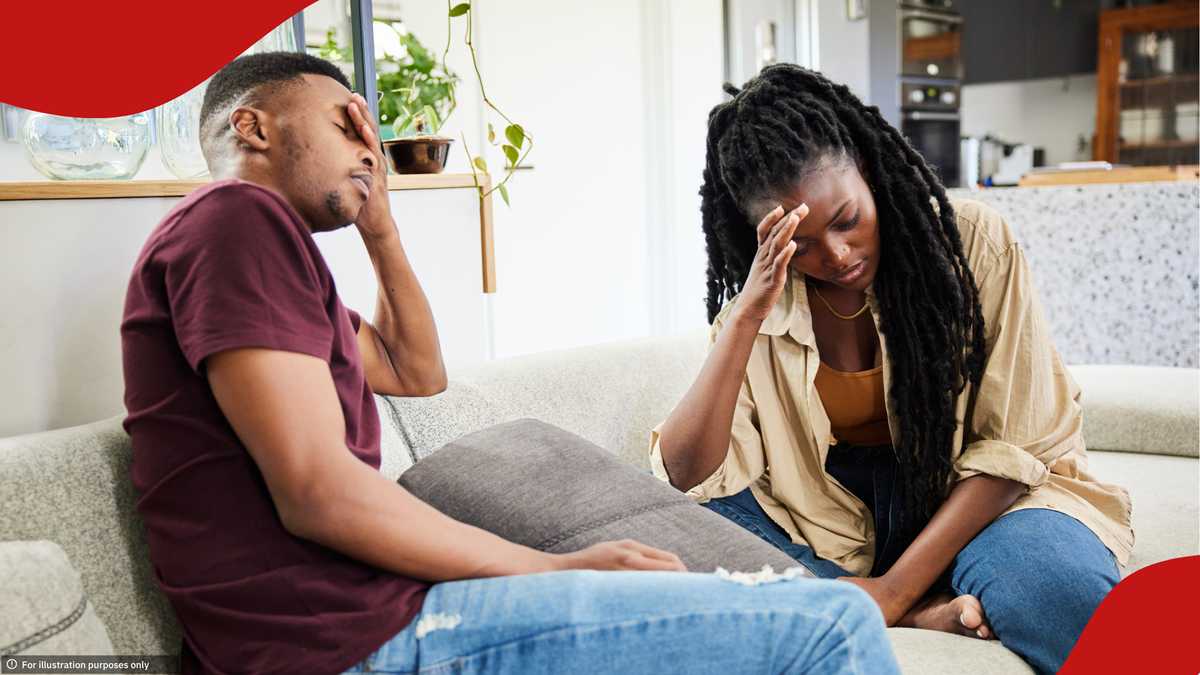
You might notice several symptoms at the same time.
Common signs include:
- Low libido.
- Erectile difficulties.
- Difficulty becoming aroused.
- Delayed or absent orgasm.
- Pain during sex.
- Relationship tension.
- Loss of confidence.
- Reduced sexual satisfaction.
How to Reduce Stress and Improve Sexual Health
Improving sexual health often starts with reducing daily stress.
Simple lifestyle changes make a difference.
Stay Physically Active
Exercise lowers cortisol and increases endorphins. Walking, cycling, running, or going to the gym several times each week improves mood and blood circulation.
Get Enough Sleep
Aim for seven to nine hours of sleep each night. Good sleep supports hormone production and improves energy levels.
Talk With Your Partner
Open conversations reduce misunderstandings. Explain how stress affects your mood instead of allowing your partner to guess.
Limit Alcohol
Alcohol might reduce anxiety temporarily, though excessive drinking often reduces sexual performance and satisfaction.
Practice Stress Management
Helpful techniques include:
- Deep breathing.
- Meditation.
- Prayer.
- Spending time outdoors.
- Taking breaks from work.
- Spending quality time with loved ones.
Eat a Balanced Diet
Foods rich in vegetables, fruits, whole grains, healthy fats, and lean protein support hormone production and heart health, both of which contribute to better sexual function.
When Should You See a Doctor?
Occasional sexual problems are normal.
Seek medical advice if symptoms:
- Continue for several weeks.
- Affect your relationship.
- Cause emotional distress.
- Occur alongside other health concerns such as diabetes, high blood pressure, or depression.
A healthcare professional helps identify whether stress, medication, or an underlying medical condition is contributing to the problem.
Stress and Sexual Health in Kenya
Stress has become part of daily life for many Kenyans. Rising living costs, demanding work schedules, long commutes, and family responsibilities all place pressure on relationships.
Many people ignore the early signs because they believe sexual problems only happen with age. In reality, stress affects adults of every age group. Recognizing the connection between mental wellbeing and sexual health is the first step toward improving both.
Frequently Asked Questions
Does stress lower testosterone?
Yes. Chronic stress increases cortisol, which reduces testosterone production over time. Lower testosterone often leads to reduced libido and lower sexual performance.
Can anxiety cause erectile dysfunction?
Yes. Anxiety is one of the leading psychological causes of erectile dysfunction. Performance anxiety often makes the problem worse.
Does stress reduce female libido?
Yes. Chronic stress reduces sexual desire, affects natural lubrication, and makes orgasm more difficult for many women.
How long does stress affect sexual health?
The effects vary from person to person. Sexual function often improves after stress levels decrease, especially when healthy lifestyle changes are made.
Stress less, connect more…
Stress affects your body, mind, relationships, and sexual health. Low libido, erectile problems, reduced arousal, and emotional distance often begin with unmanaged stress. Regular exercise, quality sleep, open communication, healthy eating, and stress management improve both your overall wellbeing and your sex life. Recognizing the signs early gives you a better chance of restoring intimacy and building a healthier relationship.